Why do so many Daleville properties run on private septic?
Daleville grew up around the main gate of Fort Novosel, and housing spread out along Highway 84 faster than sewer mains ever followed. Homes in the core of town are generally on the city system. Subdivisions and single lots outside it run their own tank and field.
That mix is normal for a gate town, and it means your neighbor two streets over may be on sewer while you are not. Do not take his word for it. If there is a round lid in your yard and no sewer charge on your utility bill, you are on septic.
Renting rather than owning? You still want to know. The habits that wreck a tank are the tenant side of the equation, and wipes labeled flushable are the single most common cause of a jammed pump or a plugged outlet.
What does PCS season do to a septic tank?
Daleville turns over fast. Families arrive and leave on orders, and a rental house here can change hands twice in three years. A tank does not care who lives in the house, but it cares a great deal how many people do.
A home that held two adults for a year and then takes in a family of six can go from fine to backed up in a single summer. Nothing broke. The load simply tripled.
For landlords, pumping during a vacant week costs a fraction of an emergency call with a new family already moved in. Put it on the turnover list beside the paint and the filters.
If you are the one moving in and the seller cannot produce a pumping date, treat the system as overdue and book septic tank pumping in Daleville, Alabama during your first month.
PCS orders do not always keep you in the Wiregrass. If the next set lands you in Southern California, the same rules follow you to the new yard.
The crew behind septic service in Jurupa Valley, California covers Riverside County parcels the way we cover the roads around the gate. Book them before the moving truck loads, for the same reason you would book us.
How do the Choctawhatchee lowlands affect your drain field?

Daleville sits in the Choctawhatchee River drainage, and the low ground toward the creek bottoms holds water in a way the sandy ridges never do. That is the single biggest local difference in how systems behave around here.
A drain field only works when there is unsaturated soil beneath the trenches to accept water. After a week of steady Wiregrass rain the water table rises and the field simply runs out of room to push into.
Yards that never smell in October can smell in March. If your system floods seasonally and then recovers on its own, that is a water table and capacity issue, not a clog, and no amount of additive in a bottle fixes it.
A drain field evaluation tells you whether you are looking at a repair, a repair plus surface water management, or a new field placed on higher ground.
How often should you pump a tank in Daleville?
Every three to five years covers most households. Rentals and full houses land at the short end of that.
EPA guidance on septic systems puts routine inspection at roughly every three years, which is a sensible rhythm in a town where families rotate through on a schedule.
One more thing worth knowing: Alabama sets a minimum tank size by bedroom count, so a three bedroom home in this area typically sits on a 1,000 gallon tank.
If a previous owner added a bedroom and never touched the tank, your safe interval shortened and nobody mentioned it.
Between pump-outs, a thorough tank cleaning matters most on systems that have gone many years without service, since hardened sludge does not leave with a simple suction pass.
Which signs should you not wait on?
- More than one fixture draining slowly at the same time
- Water backing up into a tub or shower when a toilet flushes
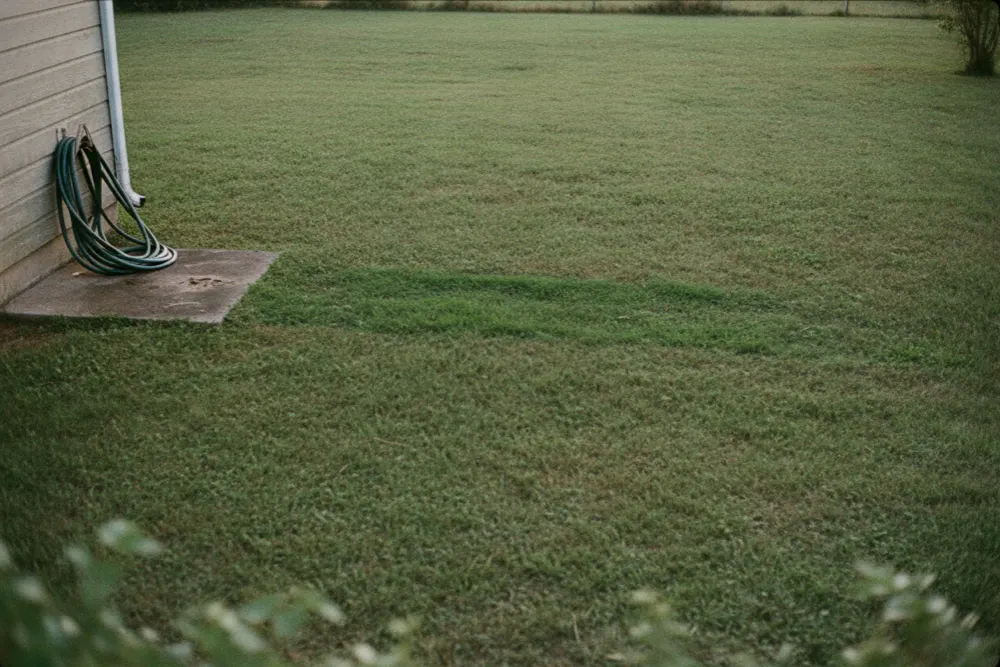
- Soggy ground or standing water over the tank or the trenches
- A sewage smell inside the house near a floor drain
- An alarm on a pump tank, if your system has one
Stop running water when any of that starts, including the dishwasher and the washing machine, then call for emergency septic service. Every gallon you send down while it is backing up has to go somewhere.
Do you need a permit for septic work near the gate?
For pumping and cleaning, no. For a new system, a replacement drain field or a substantial repair, yes, and it runs through the Dale County Health Department under the state rules in the ADPH Onsite Sewage Program.
A soil evaluation comes before a permit, and the permit comes before the dirt work. Anyone offering to put in a new field without one is a problem for the next owner of your house.
That paperwork trail is also useful when you sell. A permitted install with a record beats a mystery field every time a buyer asks.
What do septic services Daleville AL customers get on site?
We call ahead, locate the tank, and uncover the lid. If it is buried a foot down under sod, we dig it out, and we will talk to you about installing a riser so the next visit costs less time.
The tank gets pumped through the manhole so solids leave with the liquid. Then we check both baffles, look for cracks, and watch the outlet for backflow from the field.
You get a plain account of what was found, in words that make sense. Landlords can get the same summary by phone or email so the file on that unit stays current.
Where else do you work around Daleville?
The septic trucks that cover Daleville also run north into Level Plains and on into Enterprise, plus the county roads in between where the mailbox is a quarter mile from the house.
Whether you own the house or manage it for somebody on orders, the septic services Daleville AL properties need start with one honest look inside the tank.
Call now with your address and the last date you know it was pumped. If you have no idea, say so, because that answer tells us plenty on its own.