What are the first signs you need septic tank repair?
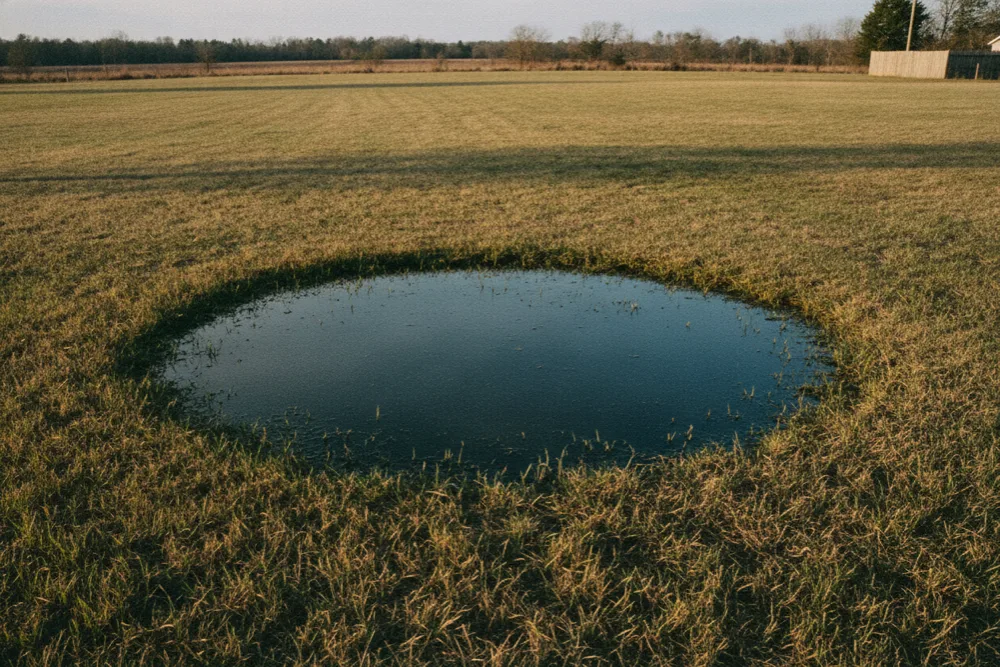
Get the system looked at if you see a wet spot that will not dry, sewage odor outdoors, drains that slowed over weeks rather than overnight, or gurgling from fixtures nobody is using.
A single clogged toilet is a plumbing problem. Several fixtures acting up together, or trouble that returns a few weeks after every pumping, points at the system instead of the pipe.
Alarm panels count too. If your home has a pump tank, a beeping panel means a float or a pump needs attention now, not next weekend.
Septic tank problems almost never fix themselves, because water keeps arriving whether the system is ready for it or not.
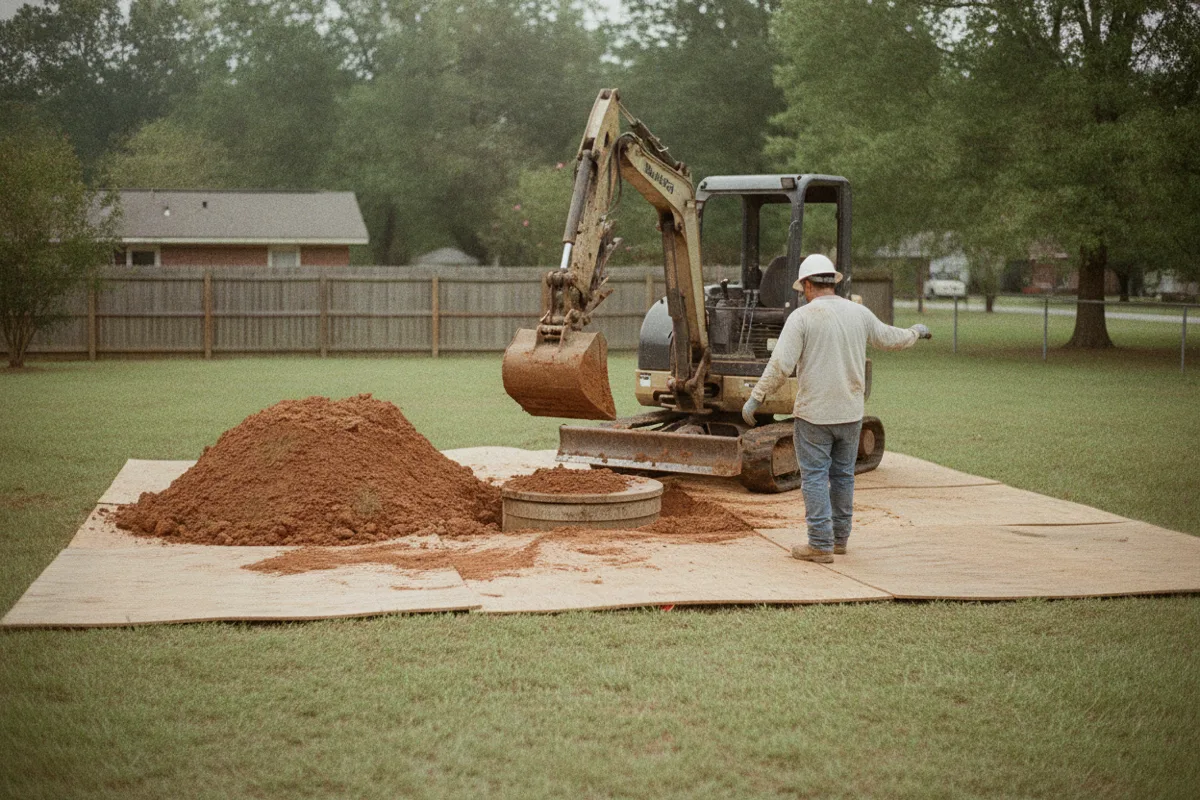
What goes into septic tank repair? Enterprise AL fixes, ranked by cost
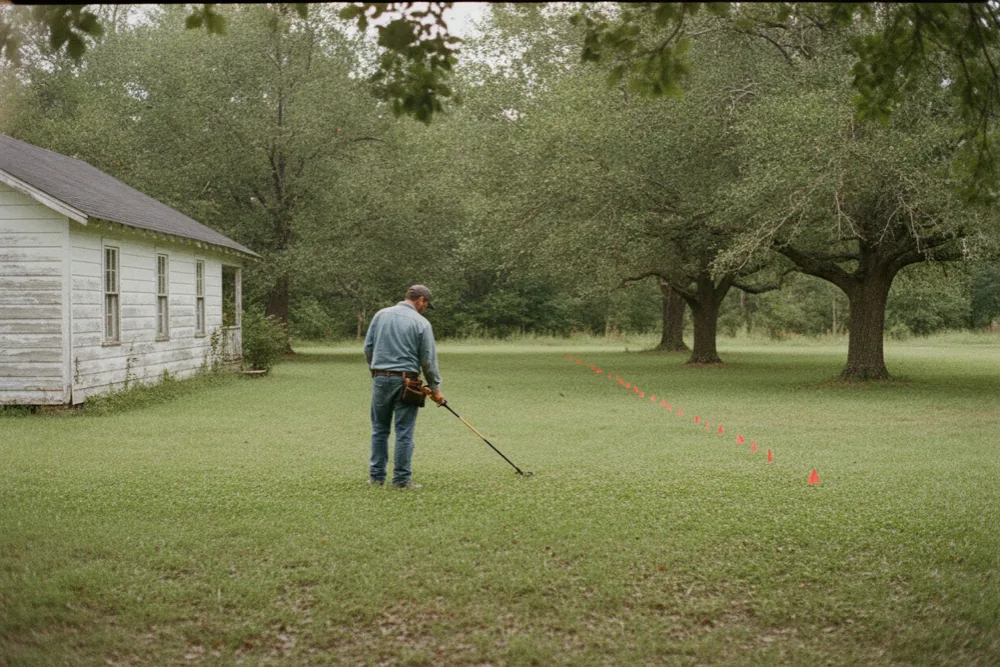
Repair starts with diagnosis, not with a shovel. Anyone who quotes a new drain field over the phone has not looked at your system.
A proper visit opens the tank, measures the levels, checks the baffles, runs water and traces the line from the house to the tank and from the tank out to the field. Only then does anybody know whether you are buying a small part or a serious project.
Roughly cheapest to most expensive, the list runs: effluent filter cleaning or replacement, lid and riser replacement, baffle or tee replacement, line repair between house and tank, distribution box work, pump and float replacement, and finally work on the field itself.
That order matters, because the cheap fixes are also the common ones. Most calls end near the top of the list. When the line between house and tank fails under a driveway or a slab, trenchless sewer repair can replace the pipe without breaking up whatever sits on top.
The reading order matters. A tank sitting above its normal level points at the field or the outlet side. A tank below normal with backups in the house points at the line coming in. Ten minutes with the lid open usually splits the problem in half.
Which parts of a septic system fail most often?
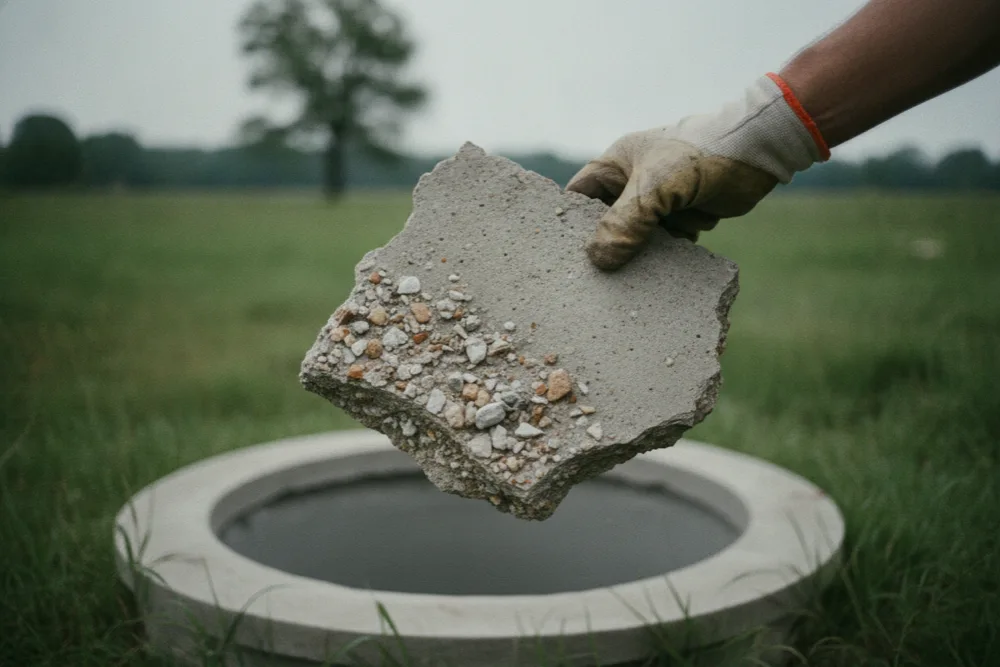
These are the septic tank repairs we make most often around Enterprise, Alabama, roughly in the order they show up:
- Baffles and tees. Older concrete baffles crumble from sewer gas at the top of the tank. Once the outlet baffle is gone, solids move into the field and the countdown starts. Broken septic baffle repair is one of the most common jobs on any older tank.
- Lids. Thin or cracked concrete lids are both a repair item and a genuine hazard around children and livestock.
- The line from the house. Roots, ground settling and a truck parked over shallow pipe all crack it.
- Effluent filters. They are supposed to clog. They just need cleaning, and plenty of homeowners never knew they had one.
- Pumps and floats in low pressure and mound systems, which simply wear out over time.
- Distribution boxes, which tilt as the ground settles and send everything to one trench instead of spreading the load.
How much does septic tank repair cost in Enterprise, AL?
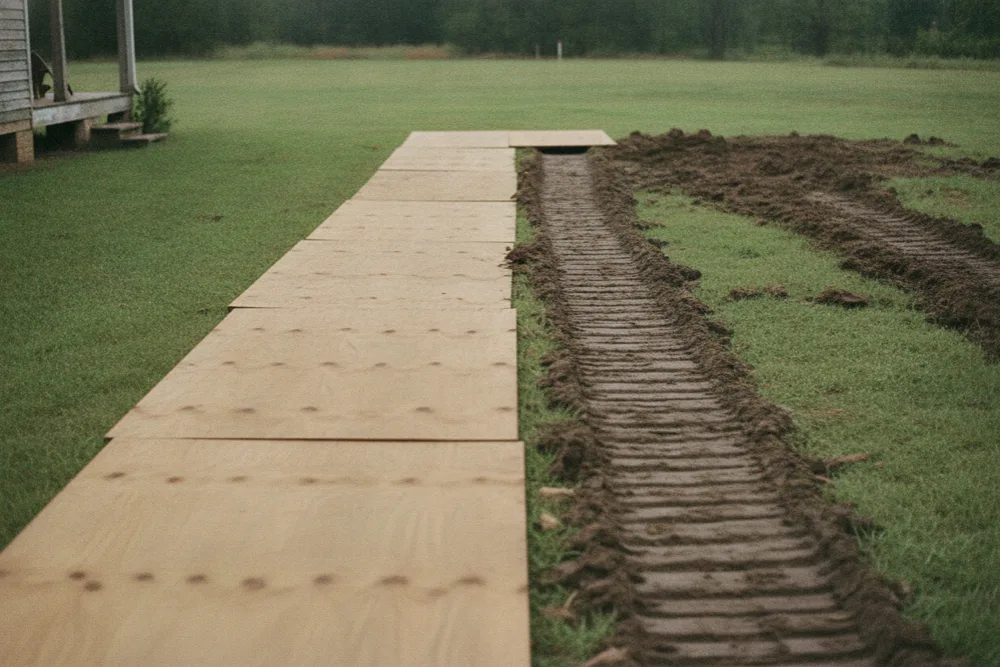
Most septic tank repairs in Enterprise, Alabama land between $200 and $1,500, while major tank or field work runs into the thousands.
Septic tank repair cost by part
The part that failed sets the bill more than anything else. These are typical southeast Alabama ranges by component:
| Repair | Typical range |
|---|---|
| Effluent filter cleaning or replacement | $75 to $200 |
| Lid or riser replacement | $150 to $450 |
| Baffle or tee replacement | $200 to $600 |
| Line repair, house to tank | $500 to $2,000 |
| Distribution box work | $400 to $1,200 |
| Pump and float replacement | $800 to $2,500 |
| Drain field work | $1,500 to $12,000 |
What moves the number in Enterprise, AL 36330
Those are wide windows on purpose, because septic tank repairs differ wildly in scale from one Enterprise, AL 36330 address to the next.
Three things move the number more than anything else. Tank size and depth decide how much digging is involved. Access decides whether a machine can reach the work or a crew is doing it by hand.
Distance matters because equipment, crew and spoil all have to travel, and a place well outside town costs more to reach than one in a subdivision.
Older properties around Ozark and rural Dale County sometimes have systems installed before current standards, so finding what is actually in the ground can take an hour before repairs begin.
The septic repair companies Wiregrass homeowners keep calling back are the ones who say that out loud before they start.
When does the health department get involved?
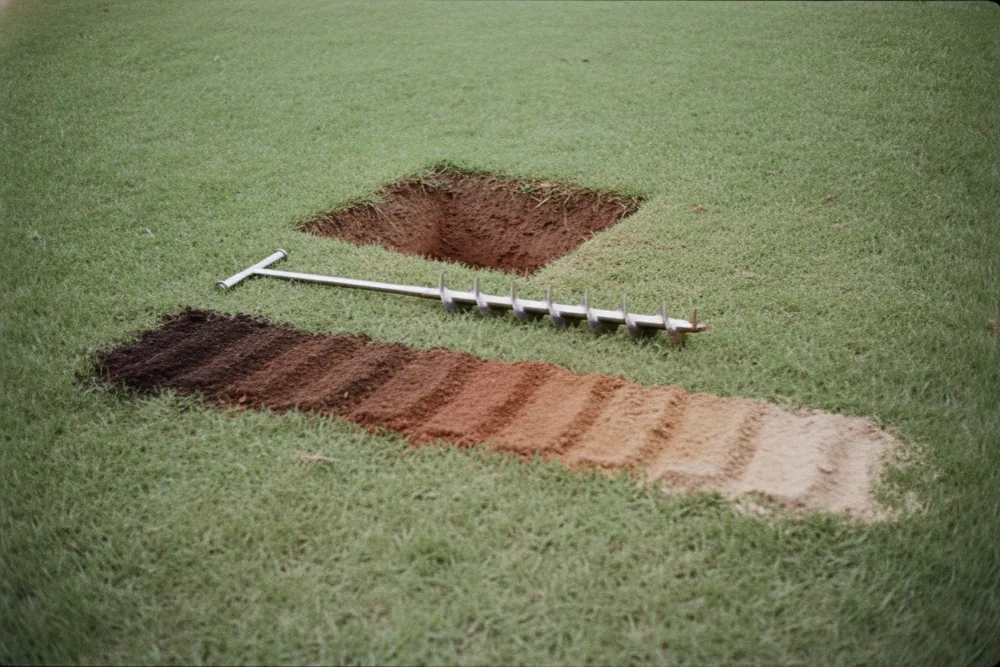
Not every repair needs a permit, but replacing a tank, adding a field or changing the layout of an on site system generally does.
Alabama regulates on site sewage through the state health department and its county offices, and the rules, forms and contacts live at the ADPH onsite sewage program.
That is good for you. A permitted repair is documented, and documentation is what a future buyer, appraiser or lender wants to see. Undocumented work in the yard becomes a question mark on a closing statement.
Soil and site conditions decide what can be approved. The sandy loam over much of Coffee County percolates well, but lot size, setbacks from wells and property lines, and the seasonal water table all shape the design that gets signed off.
Repair or replace: how do you make the call?
The honest math: a tank with one failed baffle is a repair. A concrete tank spalling below the waterline on a forty year old system is usually a replacement conversation, because each fix buys less time than the last one did.
The drain field drives the bigger decision. Field failure costs more than every tank-side repair combined, so we always separate the two questions: what does the tank need, and what is the field doing?
Age matters less than history. A 1970s tank that was sized right and pumped on schedule can outlast a neglected tank from 2005.
What do the numbers around a septic repair look like?
Tank-side work gets quoted after the lid is open, because the price is the part, the access and the digging. The anchors around it are steady:
| Job | Typical range in southeast Alabama |
|---|---|
| Septic inspection (diagnosis) | $250 to $500 |
| Inspection with pump-out on the same visit | $450 to $800 |
| Routine pump-out | $300 to $550 |
| Drain field replacement, the worst case | $4,000 to $12,000 |
That last row is the number every other row protects. Catching a failed baffle early is what keeps solids out of the field lines.
Where do we handle septic tank repair? Enterprise, Ozark, Daleville and beyond
The repair truck runs the same routes as the pump trucks: Enterprise and its county roads first, then scheduled work through New Brockton AL and the rest of Coffee and Dale County.
Each town brings its own version of the work. Septic tank repair in Ozark AL often means older concrete tanks sized under pre-1980 rules, with baffles at the end of their life. Daleville AL calls run closer to the Choctawhatchee lowlands, where a high water table complicates any digging. New Brockton's compacted farm ground is hard on shallow lines, and Level Plains AL properties often start with finding a lid nobody has seen in a decade.
Rural addresses are normal here, not a surcharge conversation. If the driveway is dirt and the GPS pin is wrong, give us the road name and the nearest crossroad and we will find you.
What does septic tank repair day look like in Enterprise, AL?
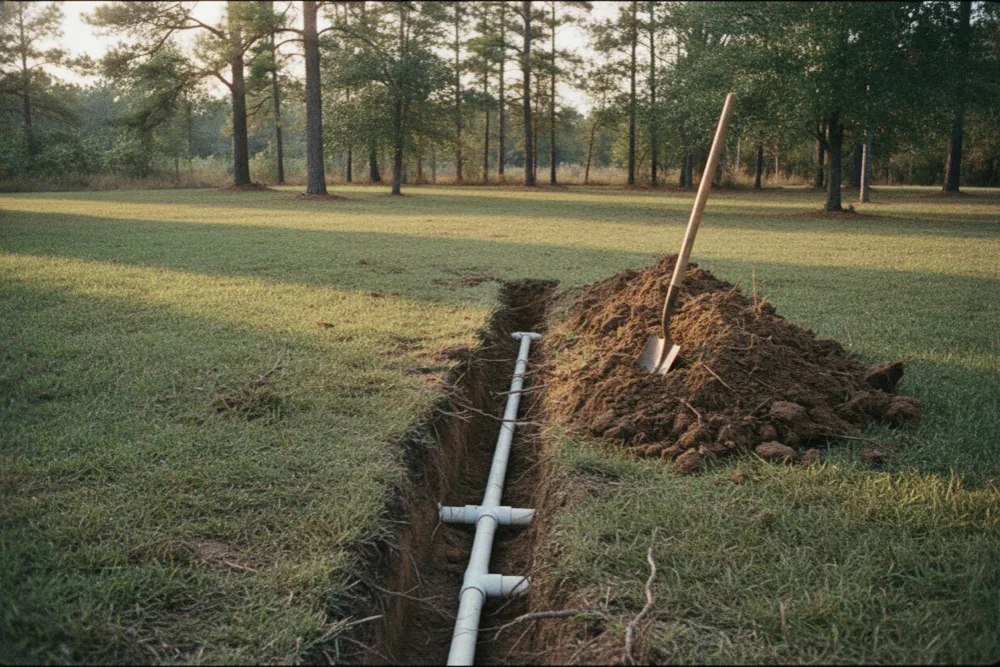
Most tank side repairs are a half day job. Line and distribution box work can run longer, and anything needing a machine needs a yard dry enough to work on safely.
Before digging starts you should hear what is coming out, what is going back in, and what the yard will look like afterward. Sod never goes back down perfectly. Ground settles for a few weeks over any excavation and usually needs topping off once.
Keep water use low until the repair is finished and checked. If the system is backing up right now and cannot wait for a scheduled appointment, that is a same day call rather than a repair booking.
We handle septic tank repairs across Enterprise, AL and the surrounding Coffee County area, which keeps the drive short and the follow up easy to arrange.